|
|
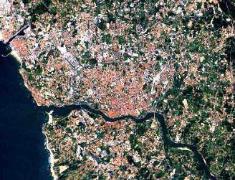
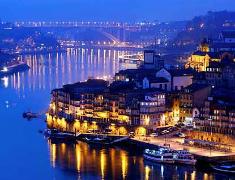
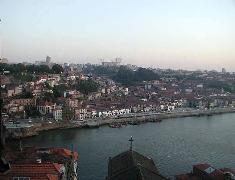
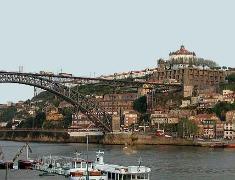
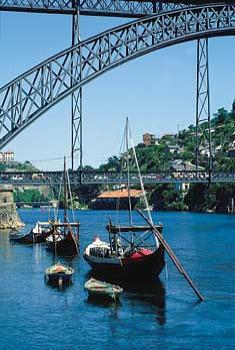
Oporto The second city in Portugal, in the north bank of Douro River, close to its mouth. It doesn't make sense to
speak of the number of inhabitants, which is said to be more than 350.000, because this city links with many of the
surroundings to the North, being almost impossible to establish limits and borders among them.
History Already inhabited by prehistoric people, Oporto city owes its name to the Roman occupation, since the
Romans called it Portus (it means no more than port). Actually, in the south bank of Douro River, opposite to
Porto, there is a city called Gaia that also comes from the Roman name Cale, and these two cities, Portus and Cale,
were the origin of the name of the country, Portugal.
After the Romans came Sueves and Visigoths. In 716 the Muslim (the Arabs) invasion arrived to Oporto. In 750 it
was attacked by the Asturian king, Alphonse, being abandoned afterwards for one century. In the century IX was
colonized by the crusaders, and the county called Portucale was created. This county was donated in 1097 to the
crusader count Henry of Burgundy, the father of the 1st king of Portugal.
In the century XIV, the city was already an important port of the commercial sea routes between the Mediterranean
and North Europe. In 1415, the maritime expedition for the conquest of Ceuta leaves Oporto, giving meat to the
sailors being the inhabitants ate the tripe. That's where the name of the inhabitants comes from: the tripe eaters.
In the XVIII century begins the Port wine export to England in exchange for the import of English textiles. Port
wine fame abroad comes from this event.
After the French invasions, Oporto was a frenzied supporter of the liberalism, which led the Absolutist Monarchy
to the fall, the independence of Brazil, to the fall of the Monarchy as a whole and to the beginning of the Republic.
|
|
|
Main monuments
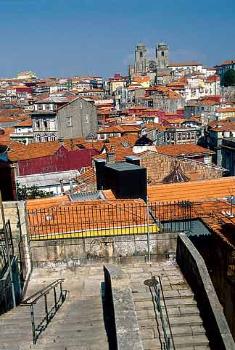
Oporto is a city, as many in the North of Portugal, with immense constructions in granite, that in spite of giving the city a dark look, it also gives a certain
charm.
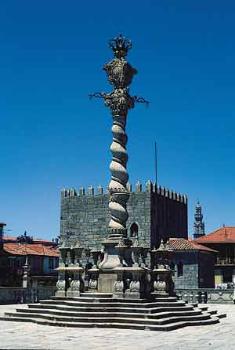
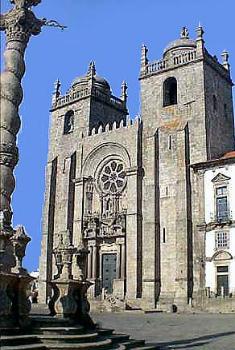
Cathedral
Robust construction of the XII century, with deep modifications of the XVII and XVIII centuries.
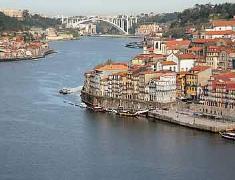
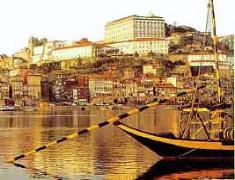
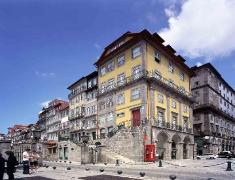
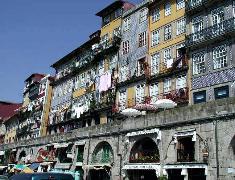
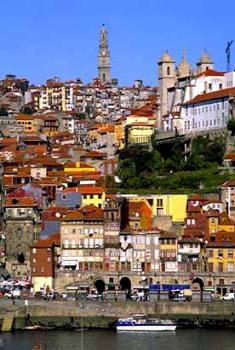
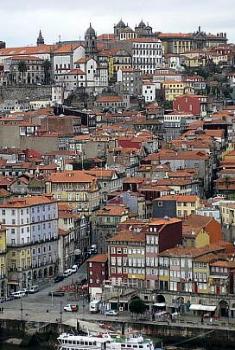
Ribeira quay
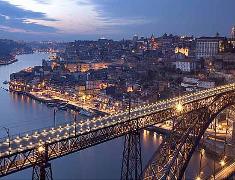
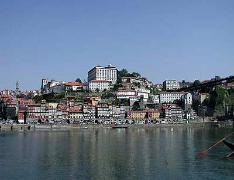
Close to the river, the most typical district, with narrow streets and multicoloured houses.
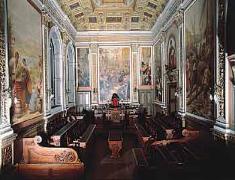
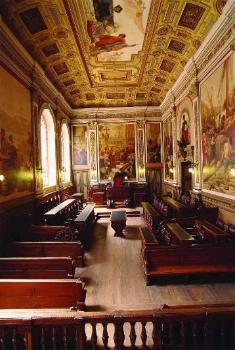
Church of San Francisco
Church of the XIV century with a rich interior decoration in gilt woodwork of the XVII and XVIII centuries.
Stock exchange
It's a XIX century Palace. The most interesting room is the Arab room, imitating Alhambra of Granada.
Clérigos church
XVIII century church, with one of the symbols of Oporto: Clérigos tower, 76 meters high, all in granite.
Port wine lodges In the south bank of Douro river.
|
|
|
|
|
|
|
|
|
|
|