Day tours in Algarve & surroundings
|
|
|
|
|
Sunday
Departure from the Algarve towards LISBON, passing through the Alentejo province. Guided visit of the
Jeronimos Monastery, the Monument of the Discoveries, Belem Tower, landmarks of the Portuguese
Discoveries which led to the discovery of “new worlds” and the crossing of the seas. In the afternoon,
guided visit of Alfama and St. George’s castle. Overnight in a nice hotel (****) in LISBON.
Monday
Guided sightseeing tour of LISBON outskirts - SINTRA, CABO DA ROCA, CASCAIS and ESTORIL.
Afternoon at leisure. Return to the Algarve.
|
|
|
|
...Lisbon’s history dates back to 300,000 years ago and ranks as one of the world's longest founded cities. As the
legend tells, it is a city founded and named by Ulysses, which has its origins in the Phoenician words "Allis Ubbo",
meaning "enchanting port". Lisbon was a battlefield for Phoenicians, Greeks and Carthaginians, however it was
Romans who started their two-century reign in Lisbon in 205 BC. In 714, the Moors arrived and stayed till the 12th
century. In the 13th century, Lisbon became the capital of Portugal. The 15th century was the point of departure for
the Portuguese Discoveries, an era during which Portugal enjoyed abundant wealth and prosperity through its newly
discovered off shore colonies in Africa, the Americas and Asia. Today, Lisbon still maintaining the marks of its early
history, is one of the most beautiful capitals of Europe...
|
|
| |
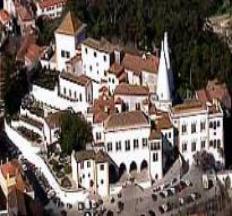
... Described by Lord Byron as “Glorious Eden,” Sintra’s charms have long been celebrated. Once the
summer residence of the kings and Moorish lords, today Sintra is a romantic getaway for people from all
around the world. Inhabited since the pre-history period and by Celts and the Romans who called this area
“The Mountain of the Moon”. In the 8th to 9th century, Muslims built a castle here. During Medieval times,
the Portuguese royal family, overflowing with the pomp and riches from their colonial triumphs abroad,
first came here to escape the heat (and stench) of the summer in Lisbon. Beginning in the 14th century, the
Portuguese aristocrats followed the royals to Sintra, a dwelling place for hunting and relaxing. Stormy and
mysterious, the mountain is covered by more than 1000 different species of plants. Several artists from
different countries came here to work, inspired in the beauty of this place, extolling its beauty: “The Garden
of Paradise”, “Garden of Europe”, “Glorious Eden”…
|
|
|
| |
|
|
...One of the most beautiful parts of the Estoril Coast is a succession of hills dotted with pine trees and houses,
sweeping down to the sea and the local villages with their typical houses and the old palatial villas along the sea
front. Villas from the Roman period have been excavated and inscriptions found of family names, names of the Gods
they worshipped and names chosen for their sons. Cascais became a lookout for Lisbon in the great maritime era of
discovering new worlds. It was the first place the navigators saw when they returned from long and adventurous
voyages seeking their homeland. It was in Cascais during the latter part of the XIX century, that the Royal Family
first began to bathe. It was a custom which was becoming popular in Europe and Cascais was an ideal place owing
to its mild climate. Over the years, many important families have made Cascais into a cosmopolitan town...
|
|
|
|